BM1 Sean P. Kerrigan
United States Coast Guard
“No vessels sighted since morning. Last night we saw several running for shelter… The Lord help anything off this coast to-night”
Keeper Horace Trundy, Portland Maine (November 25, 1888)
The storm of November 1888 devastated the Atlantic seaboard from Virginia to the Canadian border. It would begin on November 25th and pound the coast for nearly 30 hours. Seaside resorts would be destroyed in New Jersey. Docks, piers and over a dozen barges would be wrecked in New York harbor. The undermining of a shoreside railroad track would even derail a freight train. As with any coastal storm, fishing boats, trading vessels and passenger ships found themselves in the greatest danger. Dozens of these craft would be wrecked as the storm moved along its track. Hardest hit would be Massachusetts, New Hampshire and Maine where the heavy winds would be accompanied by blinding snow squalls and freezing temperatures. Eighteen Gold Lifesaving Medals would be awarded for rescues during the storm, all of which were earned along the New England Coast.
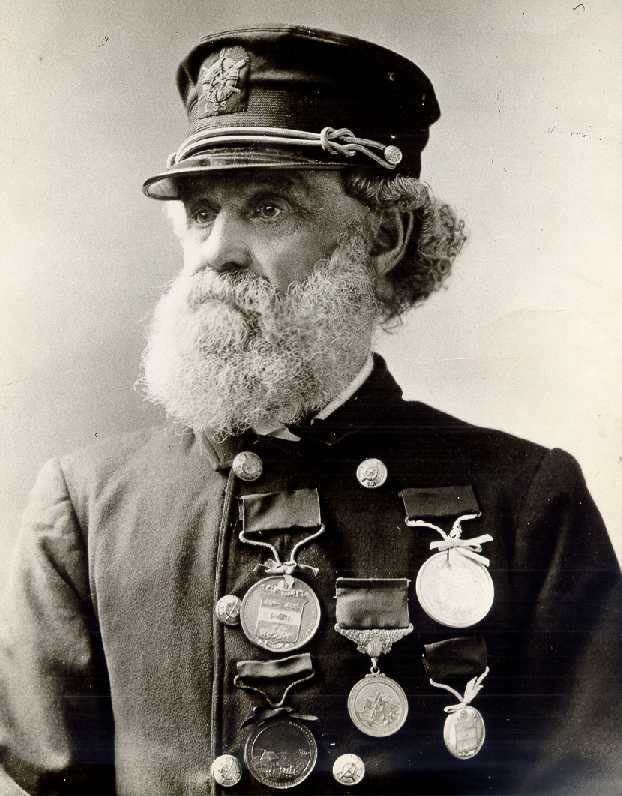
The first series of medals were awarded for actions during a series of disasters along the southeast beaches of Boston. At the time, these medals were earned by volunteers from the Massachusetts Humane Society (MHS) lifesaving service from the MHS station at Hull. However, they would produce a figure that still looms large today. Even though a keeper with the MHS at the time, famed lifesaver Joshua James would cement his name in Coast Guard history in this late November storm.
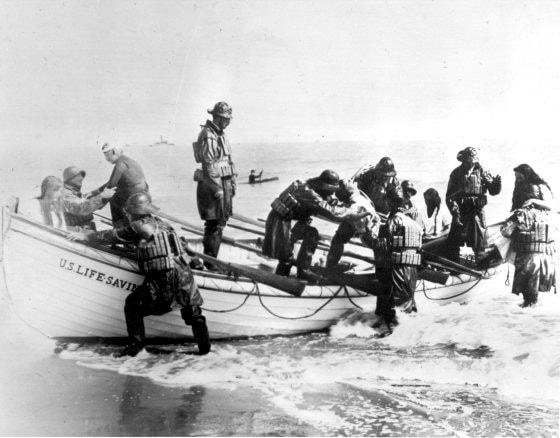
James and his Hull Massachusetts Humane Society station crew began their work on the afternoon of November 25th with the rescue of nine crewmen from the schooner Cox and Green. These men were saved by the effective use of a line throwing gun and breeches-buoy. The ensuing rescues for James and his crew would not be as straightforward. After darkness had fallen, the 144-foot Gertrude Abbott was found on the rocks just east of where the lifesavers had completed their first rescue. Unlike Cox and Green, the Abbot was too far offshore to use a line throwing gun. Around 8:00 p.m., James and his crew launched their surfboat into the teeth of the storm to rescue the eight men stranded on the wreck. They pushed out through the breakers, with two men working continually to bail incoming water out of the boat. When the lifesavers were close enough to get a line to the survivors, they transferred the Abbot’s crew into the surfboat. The return trip would prove even more treacherous than the trip out. The additional weight of the eight survivors made the surfboat unwieldy in the following seas. Two hundred yards from shore the crew would strike a submerged rock, rolling the boat on its side and throwing a man overboard. The crew quickly shifted themselves, bringing the boat back to equilibrium and grabbed the man in the water and hauled him aboard. The boat would be driven onto several more rocks during its inbound journey, the last of which completely wrecked the surfboat. Luckily, at this point James and his crew, and all eight survivors, had made it far enough to stagger through the surf to shore.
There would be no rest for the Hull lifesaving crew. James had his men continue their shore patrols throughout the night. At about three o’clock in the morning, the Schooner Bertha F. Walker was discovered on the rocks to the northwest of the station. With the wreck again out of range of a line throwing gun, the crew made a four-mile round trip to secure a replacement surfboat for the one that had been ruined earlier. Once more James led a crew out to the wreck and brought back seven survivors. Two members of the Walker’s crew had been washed overboard and drowned before the lifesavers arrived.
As the survivors of the Walker were being brought ashore, word arrived yet another vessel was aground on Nantasket Beach, nearly five miles distant. The H.C. Higginson had been driven on shore at 8:00 p.m. the previous evening, around the same time James and his men had been readying to row out to the Gertrude Abbott. By the time the Hull lifesavers arrived on scene, both a federal U.S. Lifesaving crew, and another Massachusetts Humane Society crew had already been hard at work for hours. Both crews had managed to get a line shot out to the five survivors but had been unable to send the breeches buoy. The lines had either been unreachable or unseen by the survivors; or had fouled in the wreckage. For the third time in 20 hours, Joshua James led a crew into the surf. Their first attempt was unsuccessful, resulting in minor damage to their surfboat. After quick repairs they made a second attempt, only then were they able to bring five survivors back to shore. The survivors had spent more than 12 hours gripping the Higginson’s rigging and it took time for the exhausted men to make their way into the surfboat. Of the eight original crew, one of them had died from exposure and two more had been washed overboard and drowned before the survivors were rescued.
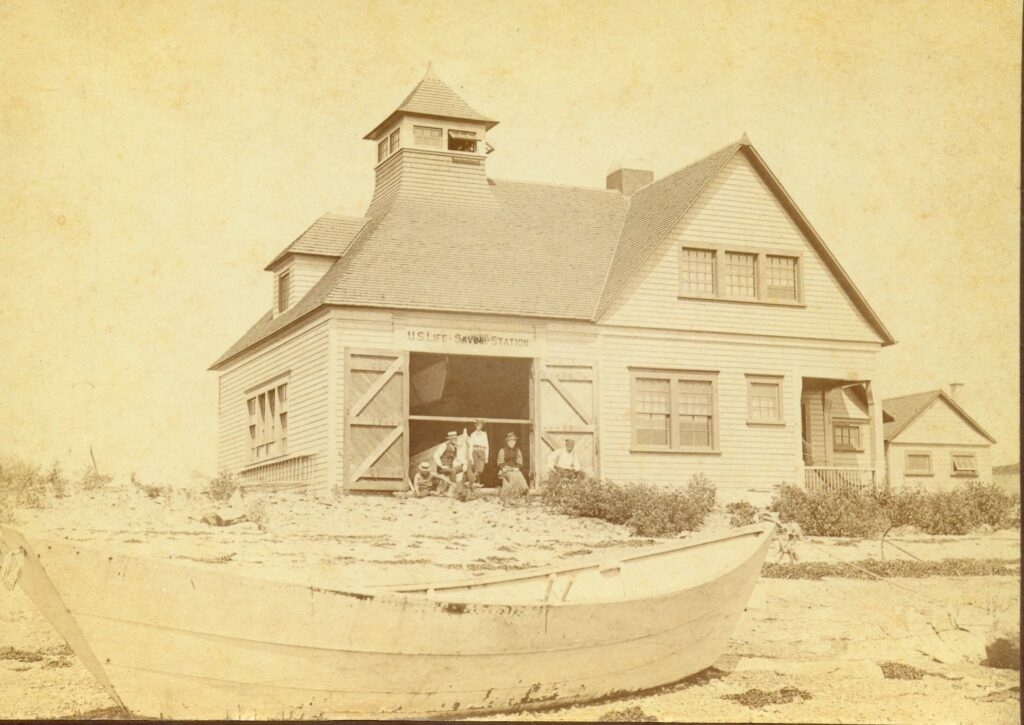
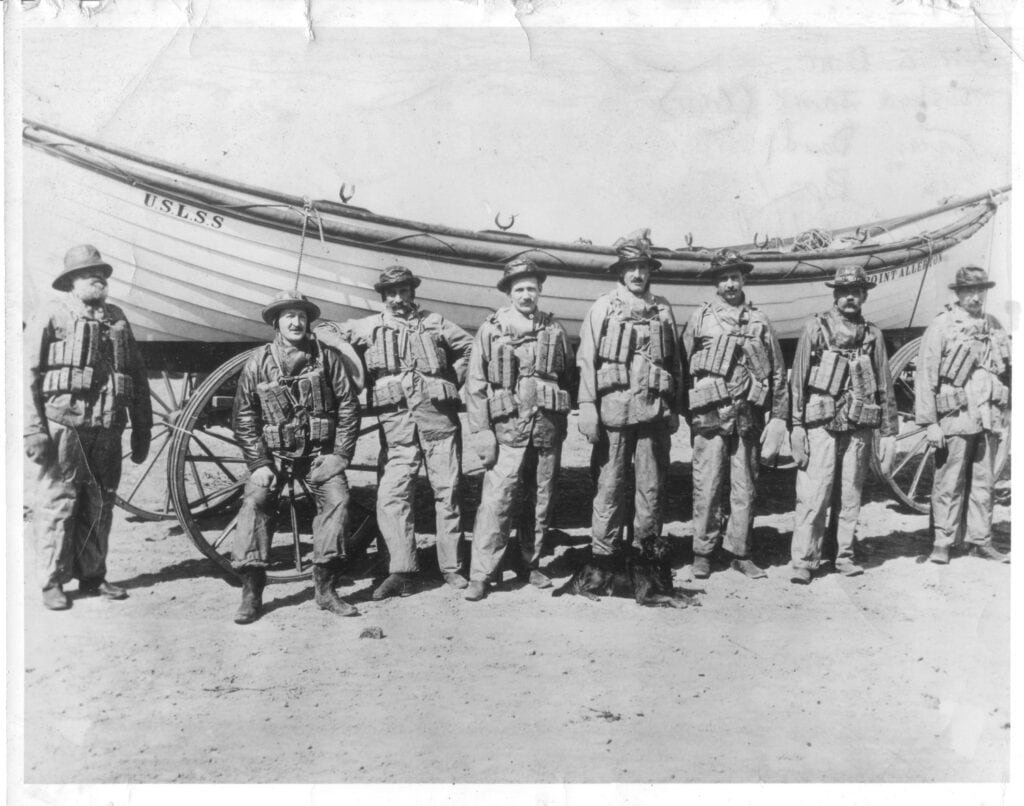
Joshua James led one breeches buoy rescue and three surfboat rescues, saving 29 people over the course of just under 24 hours. James and ten of his men would receive the Gold Lifesaving Medal for the Gertrude Abbott rescue. Because of how the Massachusetts Humane Society operated, his crews had not been the same throughout the day. Four members of the crew had gone out on all three surfboat launches, and four additional men would receive Silver Lifesaving Medals for the H.C. Higginson rescue. In the year following the November storm, a federally funded lifesaving station would be built in Hull at Point Allerton. Sumner Kimball, superintendent of the U.S. Life-Saving Service would write:
When the station was nearing completion, in the fall of that year, and the selection of a suitable man as keeper was in order, there was never a doubt as to the right man for the place. Captain Joshua James, whose long and distinguished record had reached a fitting climax on that memorable November Sunday, was the first and only choice…
A year after the storm, James would transfer from the Massachusetts Humane Society to serve as keeper for the U.S. Life-Saving Station at Point Allerton. He served 12 years there until he died while on duty at the age of 75. It is believed he rescued over 1,000 people over the course of his 60-year career.
As James and his crew were struggling on the beaches near Boston early on the morning of the 26th, the gale was also raging further north. Gold Lifesaving Medals would also be awarded for another New England rescue during the November storm. The names of these men are less known today, but their actions in 1888 were no less heroic.
The federal U.S. Life-Saving Station at Jerry’s Point was located at the mouth of the Piscataqua River, near Portsmouth New Hampshire. Keeper Silas Harding and his surfmen had been patrolling the point throughout the day on November 25th. As the evening approached, Keeper Harding noted three ships sheltering at anchor just north of the narrow peninsula on which the station was located. As the winds had been out of the north and steadily increasing, he anticipated that these ships might quickly be driven on the rocks if their anchors failed. Planning for the worst, Harding stowed a heaving stick in the nearby patrol locker and signaled to the ships that a watch would be kept on them throughout the night.
At 5:45 a.m. on the 26th, Surfman Ernest Robinson noticed that one of the ships appeared to be dragging anchor and immediately notified Keeper Harding. The schooner Oliver Dyer along with her five crewmen, were being pushed slowly toward the massive breakers crashing into the rocky northern shore of the point. Harding’s first instinct was to launch the station’s surfboat, which had been moved nearby, to assist the ship’s crew in resetting their anchor. As the surfmen prepared to depart, they saw Dyer’s bow fall off to southward. The anchor cable had parted, and the ship would be on the rocks in moments. Keeper Harding knew that the changed circumstances made station’s line throwing gun the best option to rescue the crew of the Oliver Dyer.
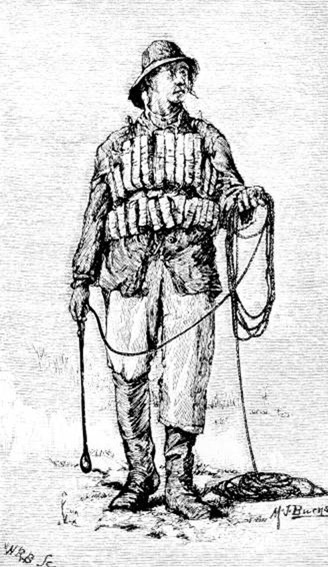
Challenging search and rescue cases, even today, are often consistent in how quickly they can change. As the crew was priming their Lyle gun to fire, a massive wave caught the Dyer broadside and lifted her further inshore. The stricken crew immediately took to the rigging, with one unfortunate man hurled into the roiling water from nearly 40 feet up. Keeper Harding later remarked: “The truth is that when the first seas went over that vessel there was nothing of her in sight but her top masts and lower mast heads, and it is a miracle that every soul was not washed into the sea.” With the crew clinging to the upper rigging and the decks completely awash with foaming water, there was no possibility of sending a breeches buoy to retrieve the four remaining men.
The last remaining hope for the crew of the Oliver Dyer was a large rock located 70 feet from where the ship now rested. It was here that Keeper Harding led his men, with the previously stowed heaving stick in hand. The rock was constantly over washed by the pounding waves and the footing on the slick surface was treacherous. One of the remaining survivors had jumped into the water, in a desperate attempt to make it to shore. Surfman Ephraim Hall jumped in after the man, grabbed him and was pulled back onto the rock by the lifesaving crew. At this point a large breaker washed Harding’s entire crew and the rescued survivor off the rock. Luckily, they all managed to make it to shore. As the surfmen made their way back to their dangerous vantage point, Dyer’s cook now jumped for his life. Surfman George Randell went in after him and brought him to shore. The lifesavers used the heaving stick and line to haul the last two survivors through the surf to the relative safety of the rock and, from there, moved them back to the station.
The entire crew of the Jerry’s Point Life-Saving Station received the Gold Lifesaving Medal for their actions on the morning of the 26th. In his report, Lieutenant Charles Shoemaker of the Revenue Cutter Service (later Commandant) wrote:
Every man in this crew came within an ace of losing his life, from the keeper down; so that while they were doing their utmost to save the crew of the wreck, they were in turn saving the lives of each other… Every time they went to that sea-combed rock upon their errand of mercy it was a forlorn hope, but they led it and conquered.
Silas Harding would remain the Keeper of Jerry’s Point Station until 1896 after which he was promoted to district superintendent and oversaw all stations in Maine and New Hampshire. He would retire in 1915, just after the Life-Saving Service was integrated into the U.S. Coast Guard.
In 1888, the tenacity and skill of Joshua James and the intuition and experience of Silas Harding saved 33 people. The heroic work of these early lifesavers continues in the day-to-day operations of our modern Coast Guard. Even without the dramatic circumstances of a November gale, the men and women of today’s service still demonstrate these skills when called to act.
Note: This article was previously published as part of the United States Coast Guard’s The Long Blue Line Series.