William H. Thiesen, Ph.D.
Coast Guard Historian’s Office
In 1884, over 140 years ago, the S.S. City of Columbus rescue became the most honored response effort in the history of the Revenue Cutter Service and the first time in Coast Guard history that a cutter worked together with shoreside boat crews to save victims from a shipwreck. However, the story’s history began 50 years earlier with the establishment of the Revenue Cutter Service’s “winter cruising” mission.
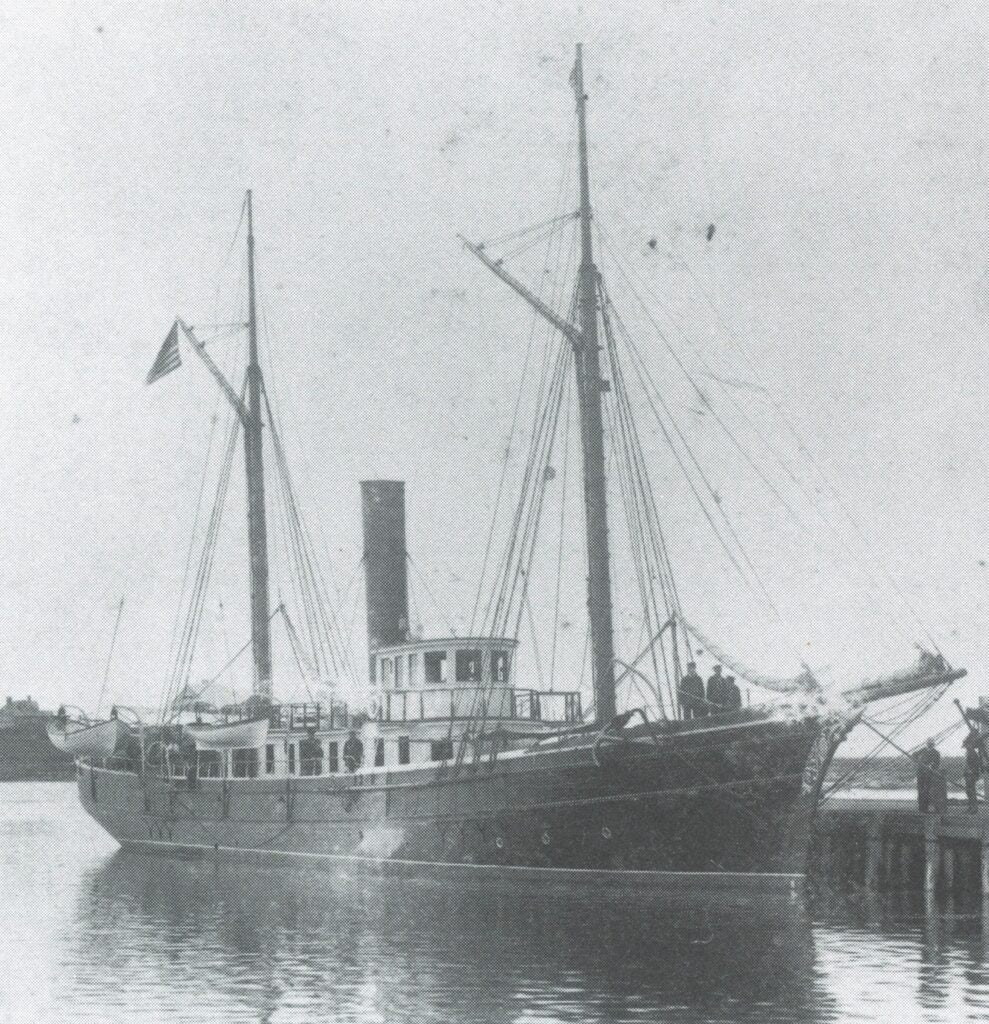
As with many other Coast Guard missions, the service’s winter cruising mission was written in blood. In the 1790s and early 1800s, cutters in northern waters were typically laid up during the winter months. However, in the 1820s and early 1830s, immigrants from Western Europe began sailing for America in search of a better life. These immigrants took passage year-round, including stormy winter months, and many of their passenger ships foundered at sea or went ashore as they neared the coast.
As the number of disasters climbed, the American public became horrified by mounting body counts. Awareness of the growing loss of life on American shores and at sea peaked in 1837. In January of that year, the barque Mexico came ashore during an icy storm near New York with the loss of over 100 passengers. On January 9th, the Adams Sentinel Newspaper reported:
When they perceived that no further help came from the land, their piercing shrieks were distinctly heard, at a considerable distance, and continued through the night, until they one by one perished. The next morning, the bodies of many of the unhappy creatures were seen lashed to different parts of the wreck, embedded in ice. None, it is believed, were drowned, but all frozen to death. Of the 104 passengers, two-thirds were women and children.
After the Mexico tragedy, Congress tasked the Revenue Cutter Service with aiding ships in distress, especially during the winter. On December 22nd, 1837, it passed an act for winter cruising requiring cutters to “cruise upon the coast, in the severe portion of the season, and to afford such aid to distressed navigators as their circumstance and necessities may require; and such public vessels shall go to sea prepared fully to render such assistance.”
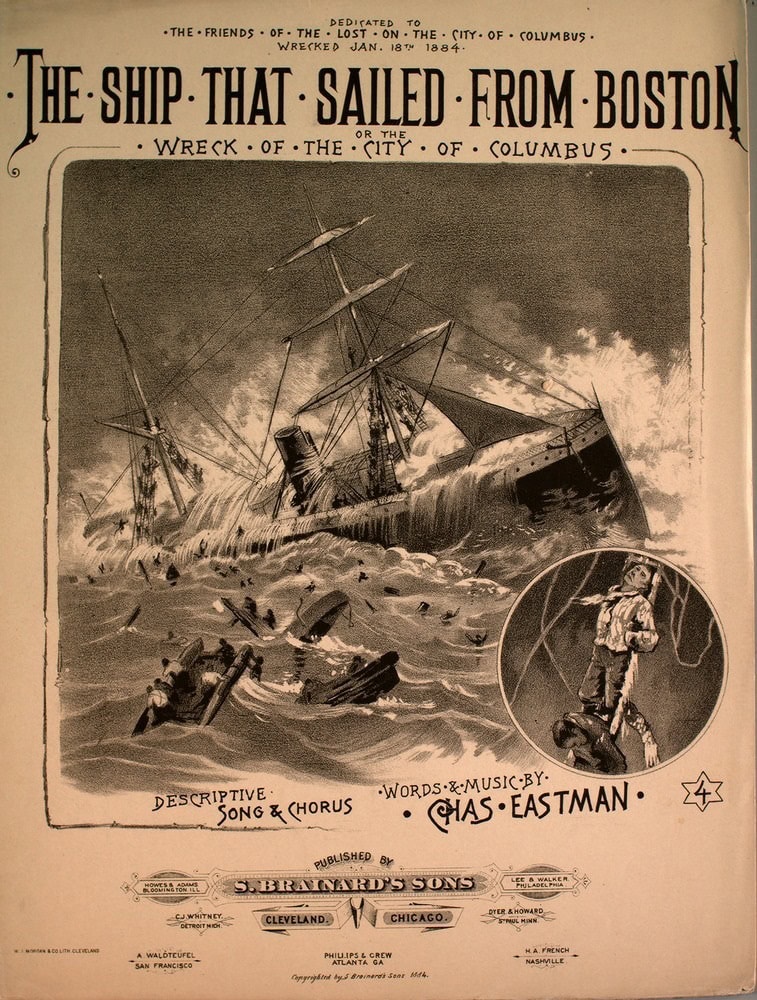
By 1884, the winter cruising mission had become an annual duty of the Revenue Cutter Service. On Thursday, January 17th, the 275-foot iron passenger liner City of Columbus got underway from Boston destined for Savannah with a crew of 45 and 87 passengers. The next morning at around 4:00 a.m., she was steaming through a gale, when she ran aground on Devil’s Bridge ledge off Gay Head, Martha’s Vineyard. As the iron vessel settled in the shallows, a handful of crew and passengers embarked two lifeboats while others climbed the vessel’s masts to escape the frigid waters. The rest of the passengers and crew were swept into the water and drowned or froze to death within 20 minutes.
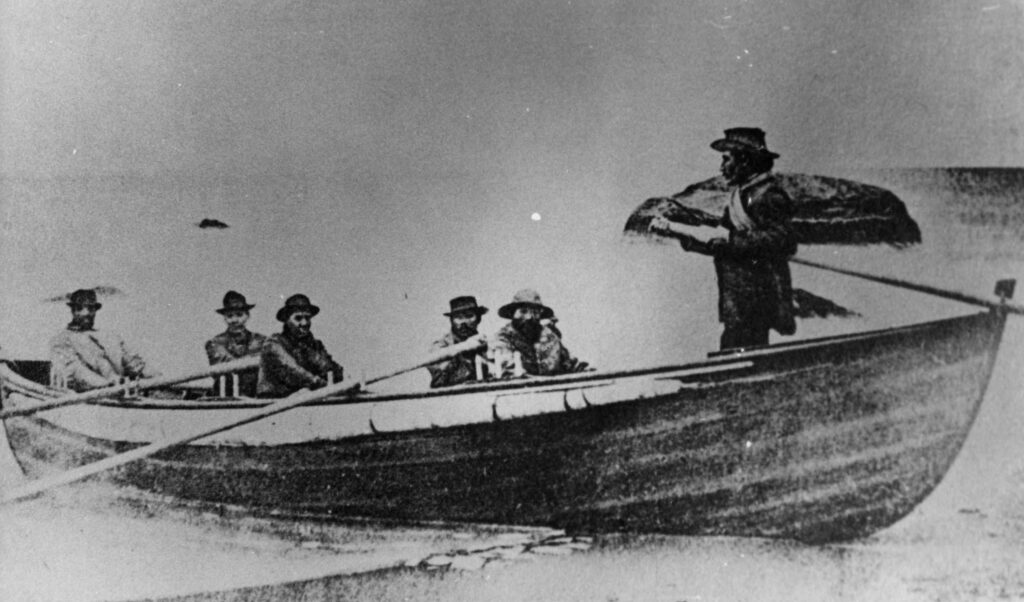
Later that morning, Aquinnah Wampanoag volunteers assembled on the beach at Gay Head to man rescue boats in bitterly cold temperatures and heavy seas. Under the command of Gay Head Lighthouse keeper Horatio Pease, these Native American heroes manned two boats, a lifeboat and a larger surfboat, provided by the Massachusetts Humane Society.
After launching into the towering waves, the lifeboat was crushed against the rocks and lost. The Aquinnah Wampanoag crew were soaked and stunned but they survived. Meanwhile, their brethren lifesavers launched the surfboat, which capsized in the heavy surf. In the bitter cold, these waterlogged rescue volunteers drifted ashore and tried again to reach the survivors hanging from the masts of the submerged steamer. Of these dramatic events, Aquinnah Wampanoag lifesaver Samuel Anthony later recalled, “We were on our trip to save lives or lose our own in trying.” The intrepid Native American crew retrieved seven survivors and began the return trip. Again, the surfboat overturned, however, the crew and survivors got to shore safely and survived. Risking their own lives, the Wampanoag rescuers saved seven souls with another five survivors washing ashore in the ship’s damaged lifeboats.
Meanwhile, the Revenue Cutter Dexter was performing winter patrols out of New Bedford, Massachusetts. Her crew spotted the ill-fated City of Columbus around noon that day and stood by to assist. Dexter deployed a lifeboat under the command of young cutter officer, Lieutenant John Rhodes. His lifeboat went to the aid of several people hanging from the City of Columbus’s masts, which were still standing above the heavy seas. Thirteen men jumped from the rigging and were promptly picked up by the boat crew, however, two more had passed out and frozen to the masts. Lt. Rhodes tied a line around his waist and jumped into the water but was injured by floating wreckage. Next, he returned in a lifeboat to the masts and climbed the slippery rigging. By the time Rhodes reached the men, they had frozen to death, so he cut down the bodies and brought them back to the Dexter. Rhodes and his crew saved 17 men from the ship’s rigging.
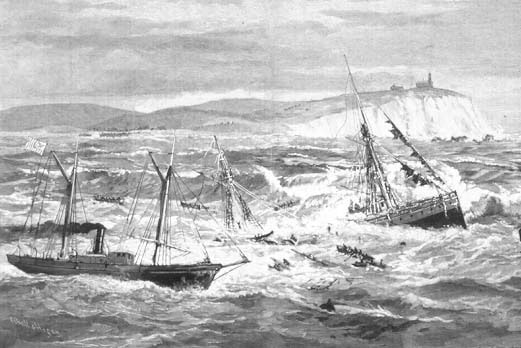
For their heroic efforts, the crew of Cutter Dexter were showered with honors, awards and recognitions. A joint resolution of Congress thanked them for their bravery and humane conduct, and Treasury Secretary Charles Folger ordered praise for the crew be read aloud on board every revenue cutter. The Massachusetts Humane Society presented a gold medal to Lieutenant Rhodes and a silver medal to Dexter’s captain and another officer. Rhodes also received a solid gold Maltese Cross from the German American community of Wilmington, North Carolina. With all his medals and awards, Rhodes became the most decorated individual in the history of the Revenue Cutter Service.
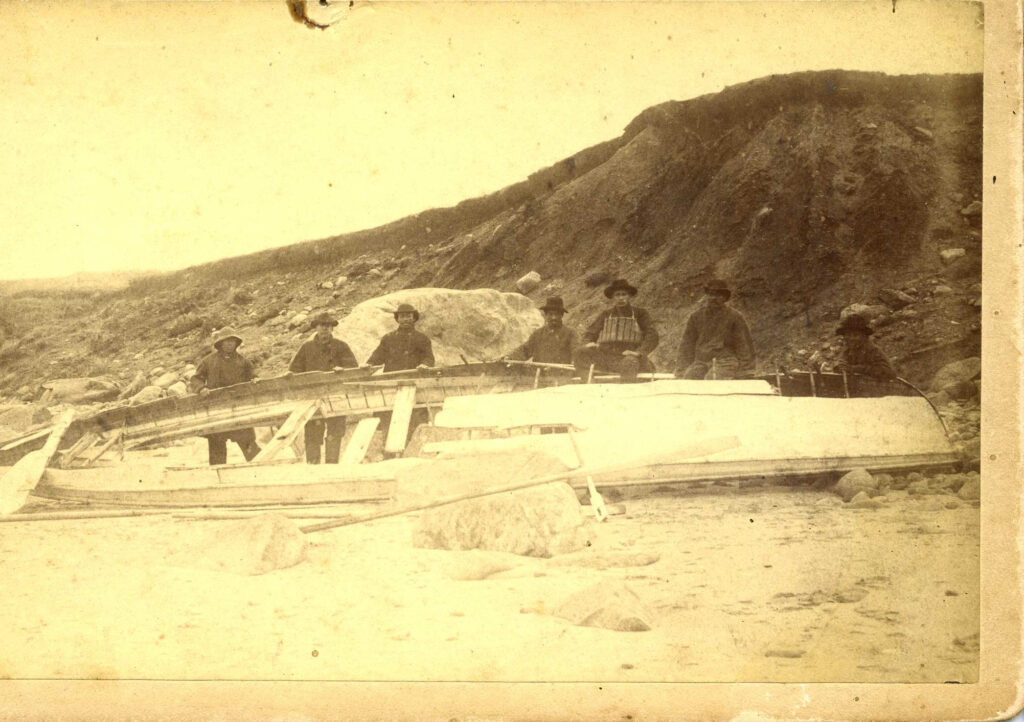
Aquinnah Wampanoag men also became nationally famous. Members of the all-volunteer force became the focus of dramatic press coverage and received high praise, medals and cash awards from the Massachusetts Humane Society. In reporting the story, the press wrote that the Native American men and their wives, who aided the victims ashore, were “deserving of all praise and the fund for their benefit and encouragement should assume large proportions. Without any expectations of reward, they periled their lives for others.”
After all the living and the dead had been retrieved from the wreck of the City of Columbus, she was left alone in the seas, her icy rigging glistening in the freezing January sun. Of the City of Columbus’s 132 passengers and crew, only 17 crew members and 12 passengers survived. The remaining 103 souls died of exposure or drowned in the stormy seas. Cutter Dexter later delivered the survivors to New Bedford, before they were sent back to Boston. The once proud passenger liner would later be salvaged for parts and machinery.
Fifteen years later, the legend of the City of Columbus rescue was eclipsed by another dramatic wintertime rescue. In 1898, three men from the cutter Bear drove a herd of reindeer across 1,500 miles of frozen tundra to save 250 whalers stranded at Point Barrow, Alaska. Later known as the Overland Rescue Expedition, this humanitarian mission garnered national attention, praise from the President and the award of the Congressional Gold Medal for all three cuttermen.
Note: This article was previously published as part of the United States Coast Guard’s The Long Blue Line Series.